Why Using AI to Design Your Hospitality Brand Could Cost You More Than You Think
If I can just create my brand with ChatGPT, why would I pay a designer?
It's a fair question.
There's no denying that AI has an impressive ability to churn out logos, colour palettes, and even full brand identities from a single prompt. For hospitality business owners launching a new café, restaurant, venue, tourism business, or event, it can feel like a quick and affordable shortcut.
But before you build your entire brand around an AI-generated logo, there are a few things you should know.
And they're probably not what you think.
Do You Actually Own an AI-Generated Logo?
This is one of the biggest misconceptions around AI branding.
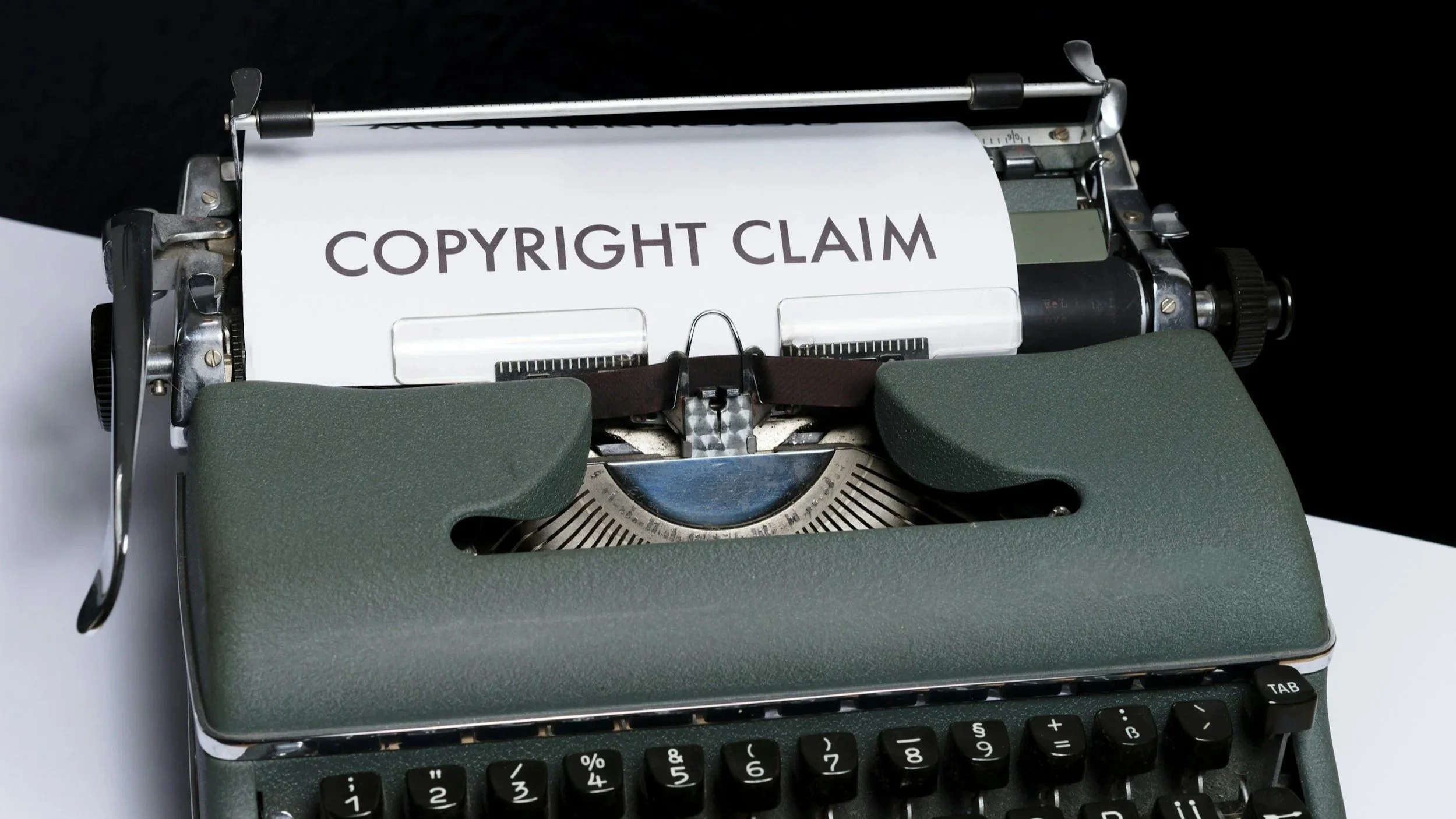
In Australia, copyright protection generally relies on human authorship. Because AI-generated logos are created by a machine rather than a person, ownership rights can become a grey area.
While platforms have different terms of use, the reality is that an AI-generated logo may not provide the same level of protection as a professionally designed brand identity.
If you're investing in signage, menus, packaging, uniforms, websites, and marketing, that's something worth considering.
Could Your Brand End Up Looking Like Everyone Else?
AI doesn't create ideas from thin air.
It learns from existing content and patterns.
That means if hundreds of café owners type in:
"Create a modern coastal coffee shop logo"
There's a good chance the results will start looking pretty similar.
And in hospitality, standing out matters.
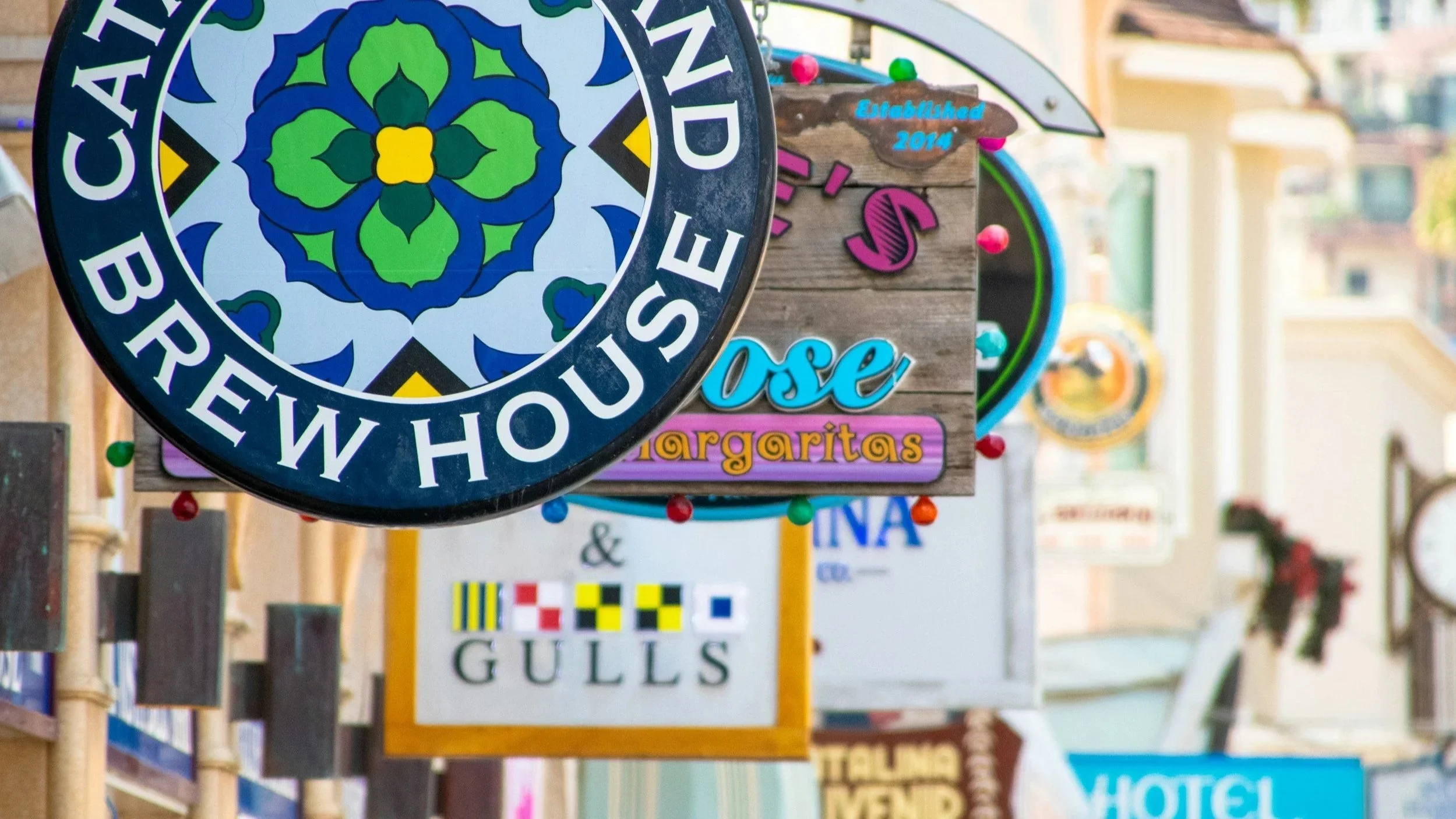
Whether you're building a boutique accommodation brand in the city, launching a national event, or opening a café on the Sunshine Coast, your branding needs to give people a reason to remember you.
The last thing you want is to discover your logo looks suspiciously similar to a competitor's.
What Happens When You Need to Print It?
Here's where things often fall apart.
Most AI-generated logos are exported as low-resolution images designed for screens.
That might be fine for an Instagram profile picture.
It's not fine for:
shop signage
vehicle wraps
uniforms
event banners
large-format printing
Professional graphic designers create logos in vector format, which means they can scale from a business card to a billboard without losing quality.
AI typically doesn't.
Is a Logo Actually a Brand?
This is the biggest issue I see.
Most AI tools can generate a logo.
What they can't do is develop a brand strategy.
They don't know:
who your ideal customer is
what atmosphere you're trying to create
how you want people to feel when they walk through the door
what makes your business different
Good hospitality branding is about more than just looking good. Its creating anticipation before someone even arrives.
Will AI Understand Your Customer Experience?
A café selling specialty coffee to busy professionals needs a very different brand approach to a family-friendly brunch spot.
Likewise, a luxury tourism brand requires a completely different visual language to a local community event.
AI can generate visuals.
But it can't sit down with you and uncover the nuances of your business, audience, and goals.
That's where brand strategy becomes valuable.
Should You Use AI at All?
That answer is up to you. There are ethical and environmental concerns around the topic, but it also can be a fantastic tool for brainstorming ideas, exploring concepts, and speeding up parts of the creative process.
When it comes to creating a memorable hospitality brand that reflects your business, attracts the right audience, and grows with you, strategy still matters.
If you're launching a hospitality, tourism, or event business and want a brand that feels as good as the experience behind it, investing in professional brand design and brand strategy could be one of the smartest decisions you make.
After all, most people experience your brand long before they experience your business.

Want your brand to feel as good as the experience behind it? Let’s chat about building a brand your audience connects with.