How the best events create an immersive brand experience.
As a brand designer, one of the biggest misconceptions I see in the events industry is people treating branding like it starts and ends with a logo and an AI generated flyer.
And look, visuals do matter. Massively.
In fact, they’re usually the very thing that gets someone to stop scrolling long enough to even consider your event in the first place. Your visual identity sets expectations before a single ticket is sold. It tells people whether your event feels underground and gritty, premium and exclusive, playful and community-driven or polished and corporate.
Good branding creates instant emotional cues.
Before someone even reads the lineup, they’re already subconsciously asking: “Does this feel like something I’d be into?”
That’s the job of visual identity.
But where event brands often miss the mark is thinking the visuals are the entire brand, when really, they’re the blueprint for everything else that follows.
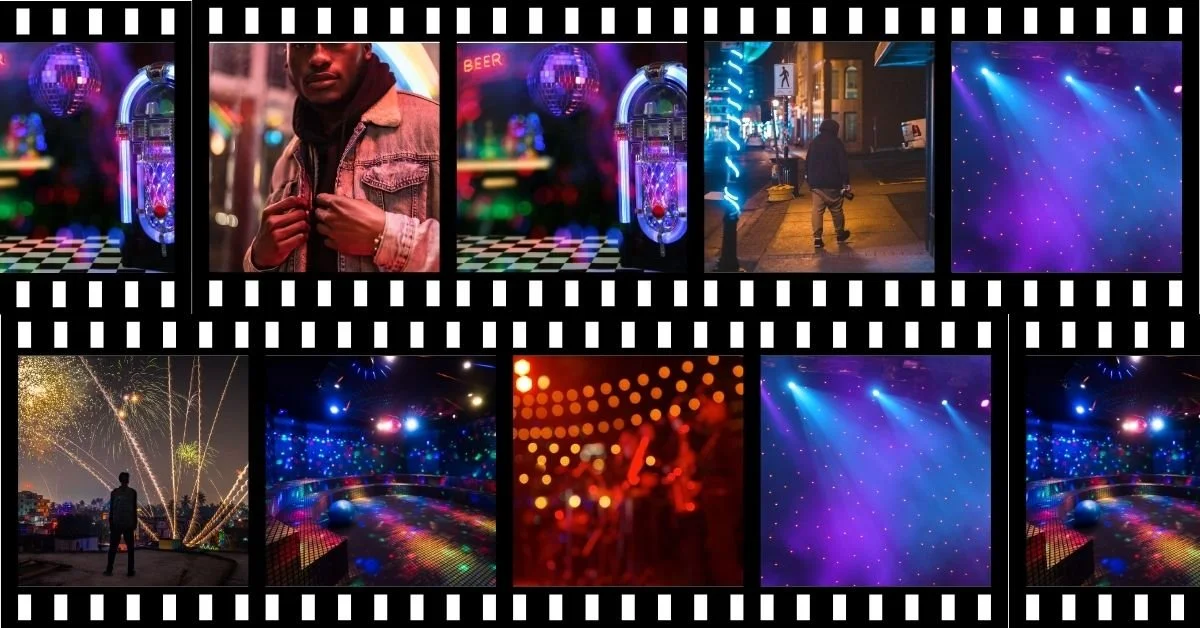
Why Are Visuals So Important for Events Specifically?
Events are emotional purchases. And take it from someone who spent most of her 20s planning for the next festival, these are memories that COULD be implanted into your customers memories forever.
People aren’t buying a physical product they can hold in their hands first. They’re buying a feeling, a vibe, a future memory. Which means your branding has to do a lot of heavy lifting upfront.
Your colours, typography, imagery, motion graphics and campaign assets all help shape perceived atmosphere before the event even exists in real life.
A sleek monochrome identity with minimal typography creates a completely different expectation to bold colour blocking and handwritten type.
One says: “exclusive rooftop launch party.”
The other says: “fun community festival with dancing and food trucks.”
Neither is wrong. They just attract different people.
Which I hope you know by now is the whole point of good branding. It acts like a magnet for the right audience.

The Experience Has to Match the Visuals
This is where branding moves beyond just design files and starts becoming world-building.
Because once your visuals establish the tone, everything else should reinforce it:
music
lighting
signage
programming
social captions
staff interactions
stage visuals
even the way your event announcements are worded
The visual identity becomes the creative direction for the entire experience.
Example:
If your branding feels warm, coastal and slightly nostalgic, but guests arrive to cold white lighting and commercial club remixes, the whole experience suddenly feels disconnected.
But if the lighting is softer, the playlist feels curated, the signage uses the same tone of voice as your socials and the pacing of the event feels relaxed and intentional? Suddenly people feel immersed in the brand instead of just attending an event.
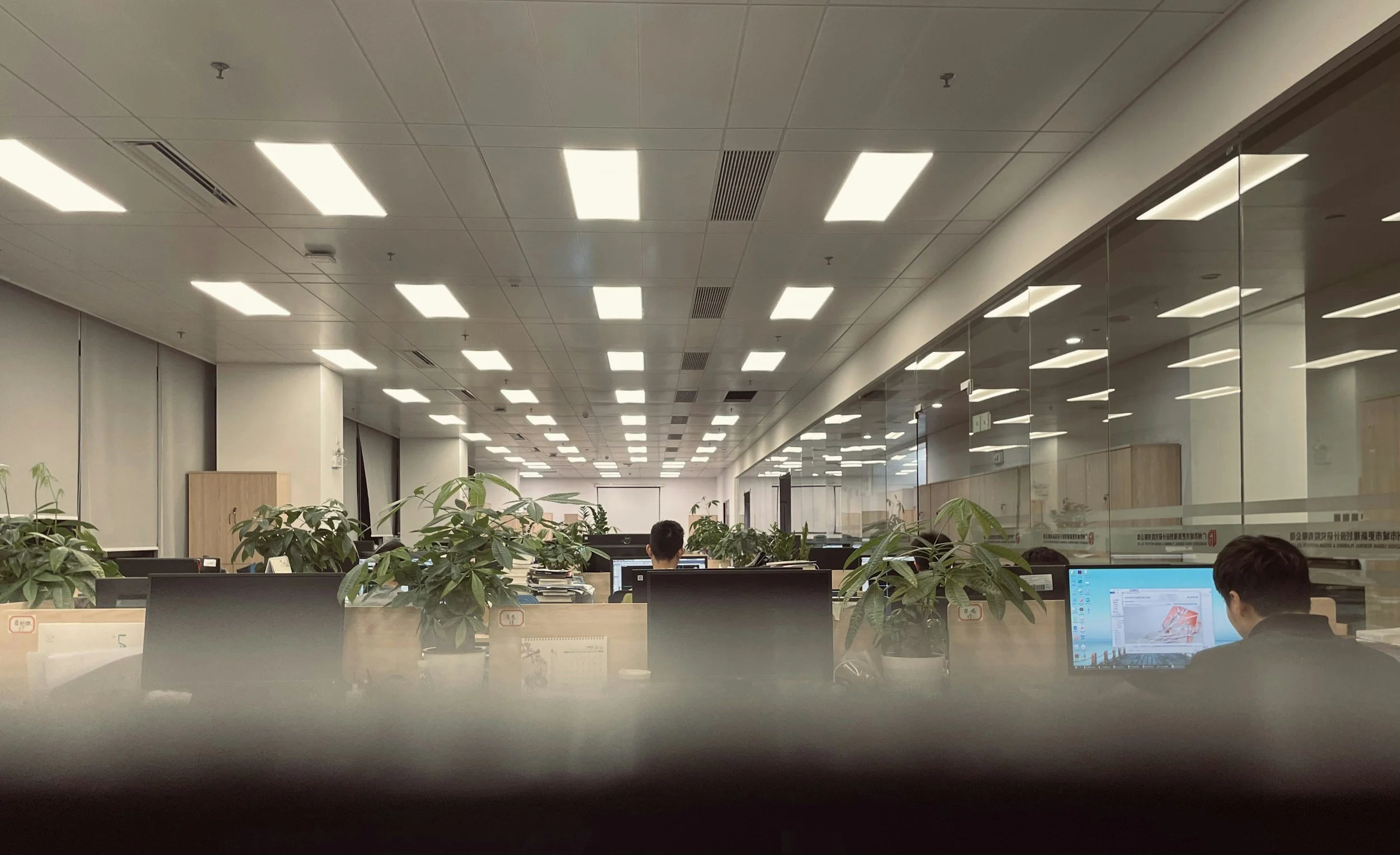
Why Does Tone of Voice Matter So Much?
Branding is more than just colours, fonts, visuals, It’s the language spoken from the moment you capture your audience’s attention through to the ticket purchase experience, and the way the staff speak to them at the event… this all creates emotional consistency.
Example:
If your brand identity feels edgy, and youthful but your MC says at the end of the event: “Patrons must vacate the premises immediately.” … the event will end on a stiff note.
Meanwhile:
“Alright legends, thanks for spending the night with us - please start heading towards the exits as we wrap things up.”
Still clear. Still professional. But now it actually sounds like your brand.
These little moments matter because audiences notice when things feel cohesive, even if they can’t explain why.
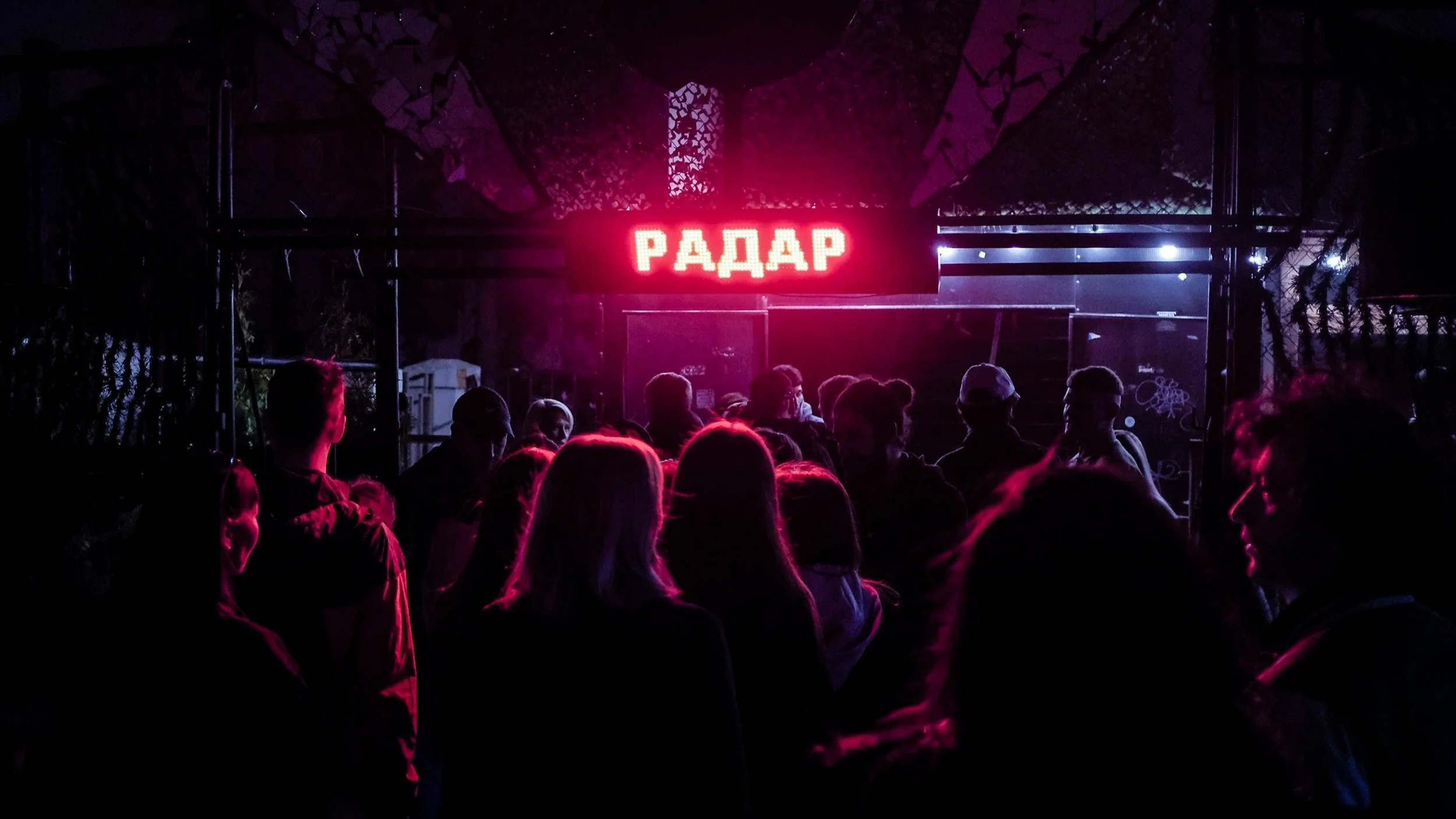
The Takeaway
As a brand designer, I honestly think visuals are one of the most important investments an event brand can make because they create the foundation for everything else.
They set the mood.
They attract the audience.
They guide creative direction.
They influence perception before people even arrive.
But great event branding doesn’t stop at visuals.
The best events use their visual identity as a compass for the entire experience - from the lighting choices to the playlist to the way the MC speaks on stage.
The events people remember most make their audience feel something through a combination of visuals, media, atmosphere and tone of voice.

If your event branding currently starts and ends with a logo and a few social tiles, it might be time to think bigger.
The most memorable events create consistency across every touchpoint - from the visuals and signage through to the music, lighting, atmosphere and tone of voice.
Want your next event to feel more cohesive, immersive and genuinely memorable? Let’s chat about building a brand experience your audience connects with.